
Why High-Altitude Adventures Are Capturing the World’s Imagination
There is something almost primal about the desire to stand at the top of a mountain. In recent years, high-altitude trekking and climbing have surged in popularity, with thousands of people every year setting their sights on iconic peaks across Africa, South America, and the Himalayas. Whether you are a seasoned trail runner or someone who has only recently discovered a love of the outdoors, preparing your body and mind for altitude is one of the most rewarding challenges you can take on.
But success at altitude does not come from enthusiasm alone. It demands smart, structured preparation — and understanding exactly what your body will face when the oxygen thins and the terrain steepens.
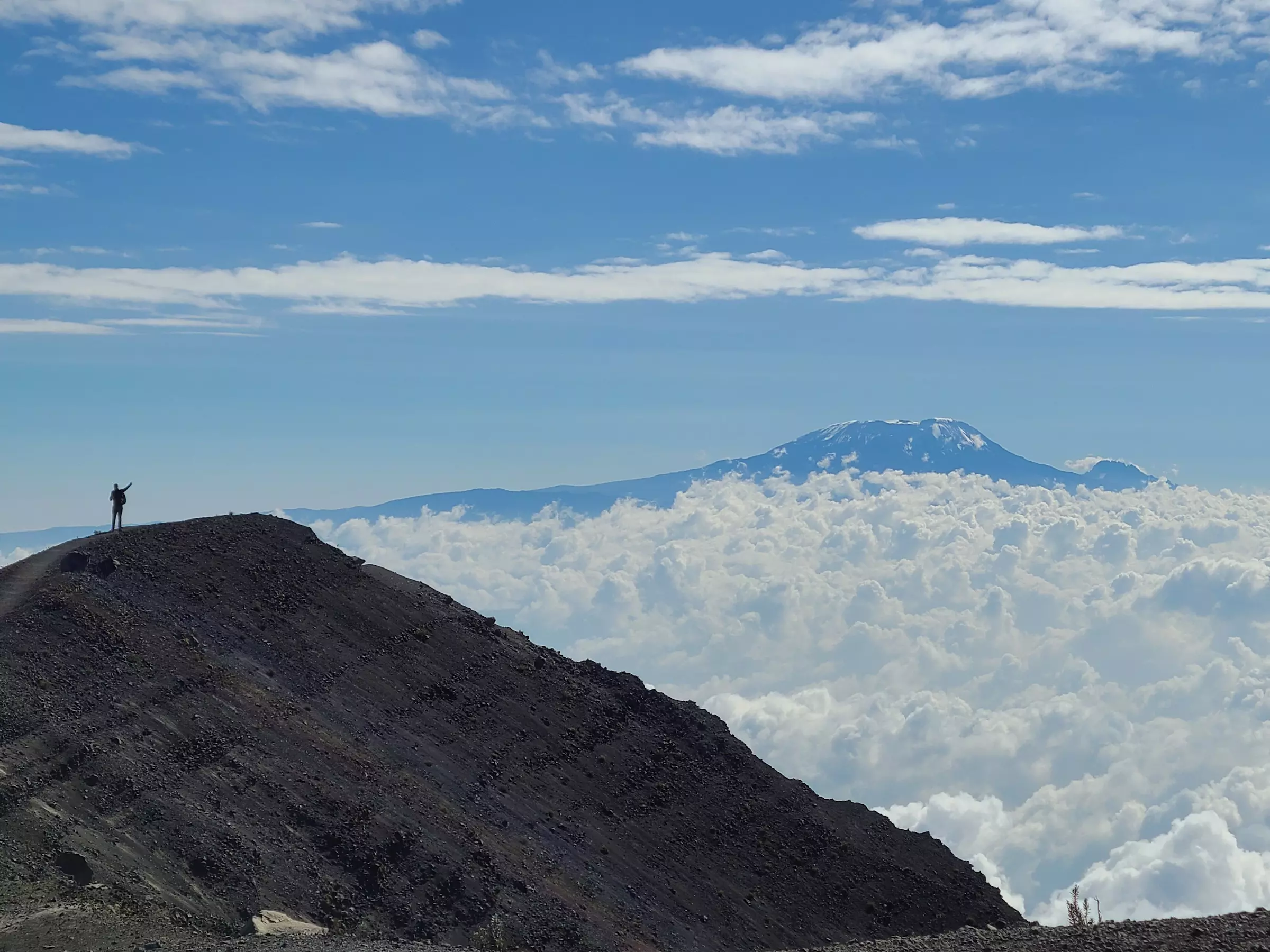
Understanding What Altitude Does to the Body
Above 2,400 metres, your body begins to work harder to extract oxygen from the air. The symptoms of altitude sickness — headaches, fatigue, nausea, and disrupted sleep — are your body’s way of signalling that it needs time to acclimatise. In more serious cases, fluid can accumulate in the lungs or brain, which is genuinely life-threatening.
The good news is that with proper preparation, most healthy individuals can reach high-altitude summits safely. The key principles are gradual ascent, adequate hydration, and cardiovascular fitness. Understanding these fundamentals before you lace up your boots makes an enormous difference to your experience on the mountain.
Building the Right Fitness Foundation
Altitude training begins long before you arrive at basecamp. The most effective preparation combines aerobic endurance work with strength training that targets the legs, core, and posterior chain. Here is what a solid six-month programme should include:
Aerobic base: Prioritise activities that elevate your heart rate for sustained periods — long hikes, cycling, swimming, or running. Aim to build up to back-to-back long days on your feet, which closely mimics the demands of multi-day trekking.
Strength training: Squats, lunges, step-ups, and deadlifts will prepare your muscles for the relentless vertical gain that high-altitude routes demand. A strong core also protects your spine when carrying a pack over uneven terrain.
Stair and hill work: If you live far from mountains, find a multi-storey car park or a local hill and use it religiously. Weighted stair climbing is one of the most underrated training tools available.
Nutrition and Hydration at Altitude
Many trekkers underestimate how altitude suppresses appetite. At height, your body burns significantly more calories while simultaneously wanting to eat less. Combat this by training yourself to eat on the move during long training sessions, so it becomes habit rather than a chore when you are on the mountain.
Hydration is equally critical. Aim for three to four litres of water per day once you are at altitude, and avoid alcohol in the first few days of ascent. Iron-rich foods in the weeks before departure can also help your blood carry oxygen more efficiently.
The Mental Side of High-Altitude Trekking
Physical fitness will only take you so far. The mental challenge of pushing through exhaustion, cold, and altitude-induced lethargy is where many attempts falter. Developing a strong mindset during training — learning to sit with discomfort, to keep moving when every instinct tells you to stop — is just as important as logging your weekly miles.
One individual who embodies this mindset is John Rees-Evans, founder of Team Kilimanjaro. In July 2026, he is attempting a Kilimanjaro speed record starting from the mountain’s true geographic base at 777 metres above sea level — a staggering 5,105 metres of total vertical gain to Uhuru Peak. It is an extraordinary undertaking that illustrates just how far deliberate preparation and mental resilience can take a person.
Choosing the Right Mountain for Your Level
Not every high-altitude adventure needs to be a speed record attempt. For those looking for a challenging but achievable first experience, Kilimanjaro remains one of the world’s most accessible high-altitude peaks. With no technical climbing required and a range of routes to suit different fitness levels, it is an ideal goal for those ready to step beyond the gym and into the mountains. If you are considering making it your own milestone, you can climb Kilimanjaro with experienced guides who understand every nuance of the ascent.
Start Where You Are
The most important thing any aspiring high-altitude adventurer can do is simply begin. Choose your peak, build your plan, and commit to the process. The mountain will still be there when you arrive — and with the right preparation, so will the energy, strength, and determination to reach its summit.
Your altitude adventure starts with the decision to take it seriously. Make that decision today.
