
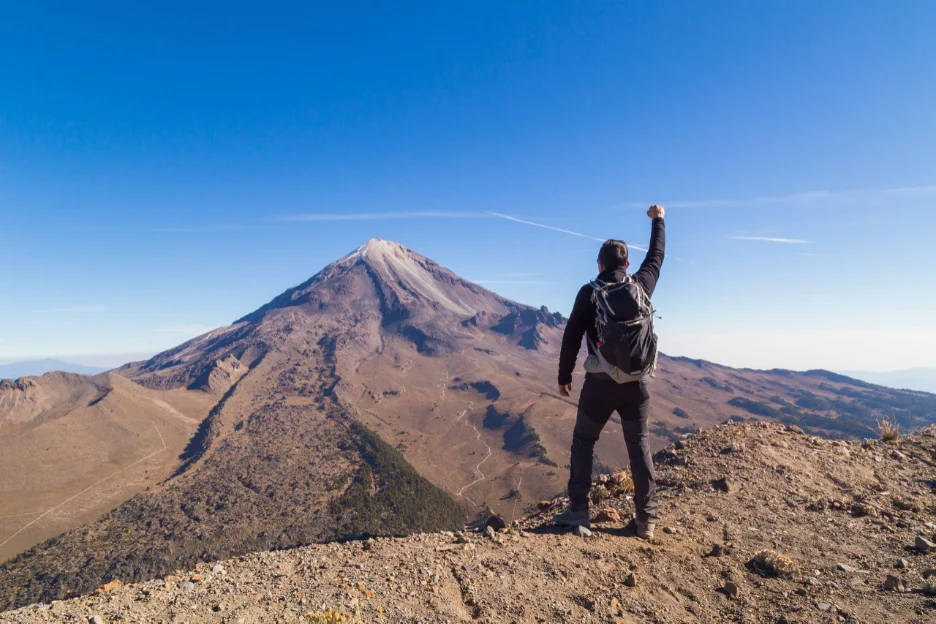
Mexico has a way of surprising people. Many travelers picture beaches, food, music, historic streets, and long drives under bright skies, but the country also has a wild, rugged side that rewards anyone willing to lace up their boots and head into nature. From high mountain paths to forested routes, desert landscapes, coastal paths, and quiet nature reserves, hiking can reveal a version of Mexico that many visitors never get to see.
That said, hiking here is not something to treat casually. Some routes are gentle and scenic, while others demand fitness, preparation, local guidance, and respect for altitude, terrain, and weather. A good hike can become the highlight of a trip, but only when travelers plan with a realistic idea of what they are getting into.
For many visitors, reaching trailheads also means driving outside busier travel corridors, sometimes on unfamiliar roads. That is where practical trip planning matters. Along with water, sun protection, good shoes, maps, and emergency contacts, drivers should also think about proper vehicle coverage before crossing the border or heading into rural areas. Oscar Padilla – The fastest Mexican auto insurance can fit naturally into that planning, especially for travelers building a road trip around outdoor adventure.
Why hiking in Mexico deserves more attention
Mexico’s hiking appeal comes from its variety. One day, a traveler might be walking through pine-scented mountain air, and another day, they might be crossing dry, rocky terrain with huge open views. Some routes pass near volcanic landscapes, jungle-like greenery, cliffs, rivers, caves, and quiet stretches of coastline. That range is part of what makes the country so exciting for hikers.
The other side of that variety is that conditions can change quickly. A trail that sounds simple online may involve heat, poor signage, steep sections, loose ground, or long stretches without services. In higher areas, altitude can make even fit hikers feel slower than expected. In warmer regions, dehydration and sun exposure can become serious issues before a person realizes they are in trouble.
This is why the best hiking experience is not always the most extreme one. The right route depends on your fitness, comfort level, time, gear, and whether you want a peaceful nature walk or a demanding climb. Mexico offers both, but the smartest travelers choose the trail that matches the trip they actually want, not just the one that sounds most impressive.
The call of the mountains
Mountain hiking is one of the most dramatic ways to experience Mexico’s natural beauty. The views can be huge, the air cooler, and the sense of accomplishment is hard to beat. Some routes take hikers through wooded lower sections before opening into exposed ridges and wide panoramas. Others are known for volcanic scenery, crater-like formations, and landscapes that feel almost otherworldly.
However, mountain routes deserve respect. Some are better described as serious climbs than ordinary hikes. They may require a guide, technical equipment, early starts, and experience with cold temperatures or thin air. Even when a trail is popular, that does not automatically make it easy or safe for every traveler.
A balanced approach is best. Beginners can still enjoy mountain scenery by choosing lower-elevation routes or shorter trails with clear access. More experienced hikers may want to plan for a tougher ascent, but they should prepare carefully, check conditions, and avoid treating altitude as a minor inconvenience. The mountain will always set the pace.
Trails for scenic views without the extreme challenge
Not every great hike needs to be a major climb. Some of the most memorable routes are moderate trails that offer big scenery without requiring advanced experience. These can be ideal for travelers who want fresh air, strong views, and a satisfying day outside, but do not want the risks that come with high-altitude trekking or technical terrain.
These types of hikes often pass through forests, open valleys, rocky overlooks, or protected natural areas. They may still include uphill sections, uneven ground, or weather changes, but they are usually more approachable for people with decent general fitness. For many visitors, this is the sweet spot: enough challenge to feel rewarding, but not so much that the hike takes over the entire trip.
The key is to avoid underestimating “moderate.” In Mexico, a moderate hike can still feel demanding due to heat, elevation, road access, or limited signage. Travelers should start early, bring more water than they think they need, and avoid relying entirely on cell service. A downloaded map or local guide can make a huge difference.
Coastal and jungle-style hikes offer a different kind of adventure
Mexico’s coastal and greener regions offer a softer, more atmospheric style of hiking. Instead of chasing summits, travelers can look for nature paths, eco-routes, wildlife areas, shaded trails, and routes that combine walking with swimming, kayaking, or guided nature experiences. These hikes may not deliver the same dramatic elevation gain as mountain routes, but they can be just as memorable.
The appeal here is immersion. You might hear birds before you see them, walk beneath thick greenery, pass near clear water, or move through landscapes that feel calm and remote compared with busier tourist areas. These routes are often especially appealing for couples, families, and travelers who want nature without a full-day climb.
Still, these areas bring their own challenges. Heat, humidity, insects, muddy paths, and seasonal weather can affect comfort and safety. Some protected areas also require advance planning, local guidance, or respect for conservation rules. A fair view is important: these routes can be beautiful and accessible, but they are not theme park walks. Nature is still nature.
How to choose the right hike for your trip
The best trail is the one that matches your expectations, not just your photos. Before choosing a hike, think honestly about your fitness level, how much time you have, and how comfortable you are with uncertainty. A traveler who wants a relaxed vacation may be happier with a scenic half-day trail than a demanding route that requires waking before sunrise and pushing through difficult terrain.
The weather should also shape the decision. Rain can make trails slippery or difficult to follow, while heat can make even short routes feel exhausting. In higher areas, temperatures may drop quickly, especially early or late in the day. The same country can offer completely different hiking conditions depending on elevation, season, and terrain.
It is also worth thinking about access. Some trailheads are easy to reach, while others require long drives or rough roads. If you are driving, plan the route before leaving, know where fuel and services are available, and avoid assuming every road will be simple. Hiking preparation starts before your feet ever touch the trail.
Safety tips that make the day better
Good hiking safety is not about fear. It is about giving yourself the freedom to enjoy the experience without unnecessary stress. Bring enough water, wear shoes with grip, pack sun protection, and carry a light layer if you are heading into cooler or higher terrain. Snacks, a basic first-aid kit, and a charged phone are simple items that can make a real difference.
A local guide can also be worthwhile, especially on longer, remote, or poorly marked routes. Some travelers resist guides because they want independence, but a good guide can add context, reduce risk, and help visitors experience the landscape with more confidence. On more demanding trails, hiring a guide is not just convenient. It may be the responsible choice.
Travelers should also tell someone where they are going and when they expect to return. This simple habit matters even on routes that appear straightforward. Hiking is usually safe when planned well, but small problems become bigger when nobody knows your plan.
The best hiking memories come from smart planning
Mexico is a rewarding country for hikers because it offers so many different ways to experience the outdoors. You can seek height, silence, shade, sweeping views, wildlife, rocky paths, or peaceful nature walks. The variety is the magic.
At the same time, the smartest travelers stay realistic. Not every trail is right for every person, and not every beautiful route is easy. Some hikes are beginner-friendly, some are better with a guide, and some should be left to experienced climbers with proper equipment.
The best approach is simple: choose the route that fits your ability, prepare for the conditions, respect the environment, and handle the practical details before you go. When you do that, hiking in Mexico can become more than a side activity. It can become the part of the trip you remember most.
