
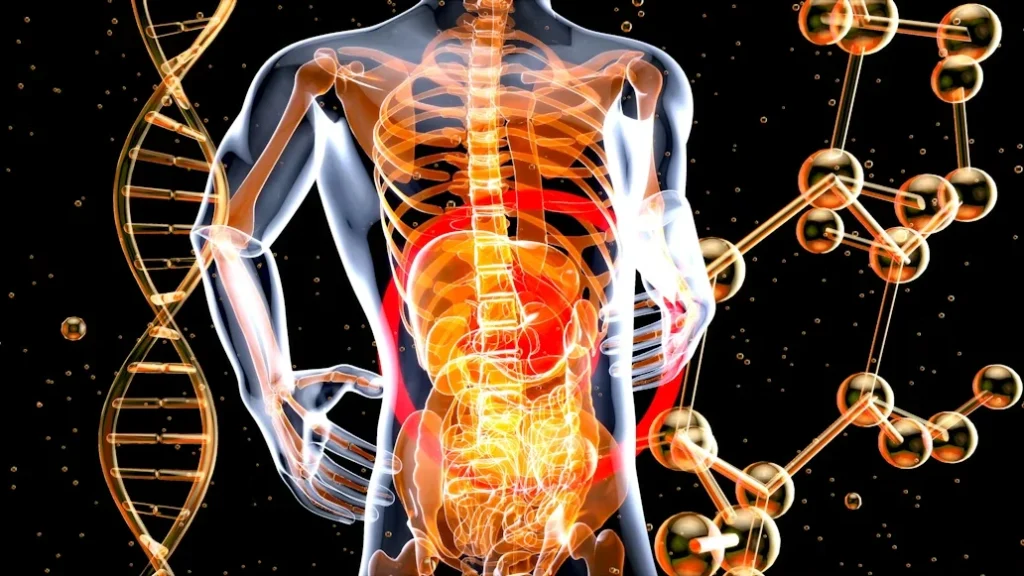
Histamine balance plays an important role in overall comfort, immune response, and digestive health. While histamine is a naturally occurring compound involved in essential body functions, problems arise when histamine accumulates faster than the body can process it. For many individuals, this imbalance manifests as food sensitivities, digestive discomfort, headaches, skin reactions, or unexplained inflammation. Although histamine issues are often associated with allergy responses, digestion plays a central and sometimes overlooked role in how histamine is regulated.
Digestive support is a foundational component of histamine balance. The way the body breaks down food, absorbs nutrients, and produces digestive enzymes directly influences how efficiently histamine is cleared. When digestive processes are compromised, histamine tolerance can decrease even in people who previously had no sensitivity. Understanding this connection helps clarify why targeted digestive support can be essential for managing histamine related symptoms.
How Histamine Functions Within Digestion
Histamine is not inherently harmful. It is involved in regulating stomach acid production, which is necessary for breaking down protein and absorbing nutrients. In normal digestive function, histamine rises temporarily during meals and then decreases as enzymes metabolize it.
Problems occur when histamine clearance mechanisms fall behind production. This can happen when digestion slows, enzyme activity is reduced, or inflammatory signaling increases histamine release. The gut becomes both a production site and a processing center for histamine, making digestive efficiency a major factor in symptom expression.
Food related histamine exposure compounds this effect. Certain foods naturally contain histamine or encourage histamine release. If digestion is sluggish or compromised, histamine rich foods may remain in the intestines longer, increasing absorption and systemic impact.
The Digestive Enzyme Role In Histamine Breakdown
One of the most important defenses against excess histamine is enzymatic degradation within the digestive tract. Enzymes responsible for histamine breakdown work primarily in the small intestine, where food based histamine is neutralized before it enters circulation.
When enzyme activity is insufficient, histamine passes through the gut barrier more easily. This can overwhelm other histamine clearance pathways, leading to widespread symptoms that extend beyond digestion. Reduced enzyme activity may be temporary or persistent, depending on underlying contributors such as inflammation, nutrient depletion, or chronic stress.
Digestive enzyme efficiency depends heavily on gut environment. Adequate stomach acid, healthy intestinal lining, and balanced gut bacteria all influence how well enzymes perform. When one component is disrupted, the entire breakdown process becomes less efficient.
Gallbladder Function and Digestive Balance
Fat digestion plays a surprisingly important role in histamine balance. The gallbladder stores and releases bile, which helps emulsify fats and supports the elimination of waste products through the digestive tract. When bile flow is impaired, digestion becomes incomplete and inflammatory byproducts may accumulate.
Poor bile flow can indirectly increase histamine burden by slowing digestion and contributing to gut irritation. When fats remain partially digested, they may ferment or trigger immune responses that increase histamine release. Additionally, bile supports gut microbial balance, which influences immune signaling and histamine metabolism.
The relationship between digestive efficiency and immune response is particularly relevant when exploring the connection between the gallbladder and histamine intolerance. When gallbladder function is suboptimal, the digestive system may struggle to maintain histamine equilibrium, especially during periods of increased physiological stress.
Gut Health And Histamine Sensitivity
The intestinal lining serves as a selective barrier that determines which compounds enter circulation. When this barrier becomes compromised, histamine absorption can increase even without higher intake. Inflammation, stress, and nutrient deficiencies all affect intestinal permeability, altering how histamine impacts the body.
Gut bacteria also influence histamine balance. Certain microbes produce histamine, while others help regulate immune signaling. Digestive imbalance may shift the microbial environment toward higher histamine production, increasing cumulative load within the gut.
Supporting gut integrity helps moderate histamine exposure at its primary source. Regular digestion supports timely movement of food through the intestines, reducing prolonged histamine exposure. This reinforces why digestive rhythm and gut health cannot be separated from histamine management.
Nutrient Support For Digestive Enzymes
Digestive enzymes require specific nutrients to function optimally. Minerals, amino acids, and certain vitamins act as cofactors that activate enzyme systems. During prolonged stress or restrictive diets, these nutrients may become depleted, reducing digestive efficiency.
When nutrients required for enzyme production are insufficient, the body prioritizes essential survival functions over digestion. This tradeoff can result in lingering food breakdown, gut irritation, and secondary histamine accumulation.
Balanced meals that include protein, healthy fats, and micronutrient rich foods support enzyme synthesis. Regular eating patterns also help synchronize digestive signals, improving overall efficiency. Rather than focusing solely on avoiding histamine rich foods, strengthening enzymatic capacity often produces more sustainable improvement.
Stress And Its Impact On Digestive Support
Stress has a direct and measurable effect on digestion. When the body enters a stress dominant state, blood flow is diverted away from the digestive organs, reducing enzyme secretion and bile release. Over time, chronic stress can significantly impair digestive efficiency.
Histamine release is also tied to stress signaling. Stress hormones increase histamine release while simultaneously reducing the body’s ability to break it down. This double effect explains why symptoms often worsen during emotionally or physically demanding periods.
Supporting the nervous system through rest, predictable routines, and gentle movement allows digestion to function more effectively. When the body feels safe, digestive resources increase, improving histamine clearance without dietary extremes.
Lifestyle Habits That Support Digestive Balance
Daily habits influence histamine tolerance by shaping digestion. Eating in a relaxed environment supports enzyme secretion, while rushed or distracted meals increase digestive strain. Thorough chewing reduces digestive workload and improves nutrient absorption.
Regular movement improves bile flow and intestinal motility. Light walking after meals supports digestion without overstimulation. Adequate hydration helps maintain intestinal transit while supporting elimination pathways.
Sleep quality also affects digestive health. During rest, the body repairs the gut lining and regulates immune signaling. Poor sleep disrupts these processes, increasing histamine sensitivity even without dietary changes.
Environmental exposures such as alcohol, excessive caffeine, and highly processed foods can further burden digestion. Moderation and consistency help maintain long term digestive resilience.
Individual Variability In Histamine Tolerance
Histamine tolerance ranges widely among individuals. Some people experience symptoms only under heavy cumulative load, while others react to small triggers. Digestive capacity is one of the key differentiators influencing these thresholds.
Life stages, illness, medications, and hormonal changes all alter digestive function. Temporary histamine sensitivity does not always indicate a lifelong issue but may reflect a period of digestive strain requiring support rather than restriction.
Listening to patterns rather than isolated reactions provides more useful insight. Digestive support strategies often improve histamine tolerance gradually rather than instantly, reflecting the time needed for enzymatic and gut systems to recover.
Supporting Balance Instead Of Avoidance
A common response to histamine sensitivity is strict avoidance. While temporary avoidance may reduce acute symptoms, long term management benefits more from digestive strengthening than from perpetual restriction. Over restriction can increase stress and nutrient depletion, worsening histamine imbalance.
Balanced digestive support focuses on function rather than fear. Improving enzyme activity, bile flow, gut health, and nervous system regulation allows the body to handle histamine more effectively. This approach emphasizes adaptability rather than fragility.
When digestive systems are supported, histamine tolerance often improves naturally. This shift reflects restored collaboration between digestion and immune signaling rather than forced suppression of symptoms.
Conclusion
Histamine balance is deeply connected to digestive efficiency. From enzyme activity to bile flow and gut integrity, digestion determines how histamine is processed and tolerated. When digestive systems falter, histamine symptoms often follow, even when dietary changes appear appropriate.
Understanding digestive support offers a more comprehensive framework for managing histamine sensitivity. By strengthening foundational digestive processes, the body becomes better equipped to maintain balance without excessive restriction. Supporting digestion nurtures resilience, making histamine tolerance a reflection of overall digestive health rather than a constant constraint on daily living.
