
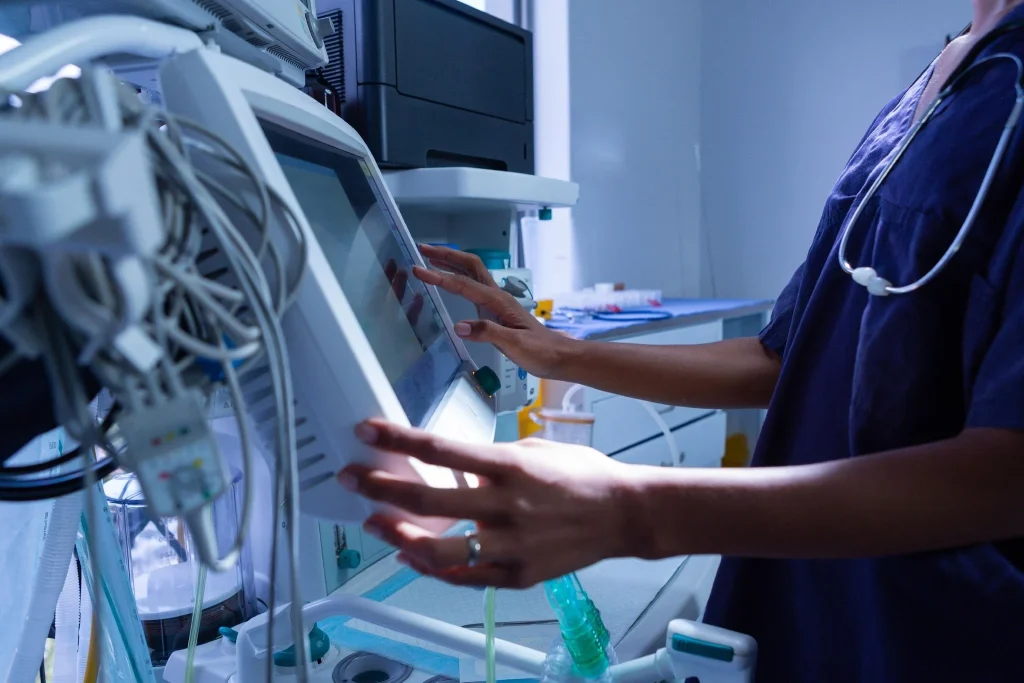
Running a clinic is not just about treating patients and calling it a day. There is always something happening behind the scenes – equipment decisions, staffing gaps, upgrades that keep getting postponed, and that quiet pressure to keep up with the clinic down the street that just installed something newer. Equipment tends to sit right in the middle of all this. It is expensive, necessary, and never really finished. There is always something that could be better. That is where medical device financing starts to feel less like borrowing and more like a practical tool. Not exciting, not something that gets talked about much, but it works when used with some intent. The difference usually comes down to how it is used, not just the fact that it exists.
Why Financing Changes the Timing of Growth
Here is the thing most people in healthcare already know but rarely say out loud. The issue is not deciding what to upgrade. The issue is deciding when. Cash flow and operational needs almost never line up neatly. So decisions get delayed. Equipment gets patched, stretched, pushed into “next quarter” again. And then again. With medical device financing, that timing shifts a bit. Decisions start getting made based on actual need rather than what happens to be sitting in the bank at the moment. It sounds small, but it changes how a practice moves forward. And growth, more often than not, comes down to timing. Not perfection.
1. Upgrade Sooner, Not Later – Waiting for equipment to completely fail is more common than it should be. Repairs pile up, downtime creeps in, staff starts working around problems instead of solving them. Patients notice, even if they do not say anything. Medical device financing softens that upfront hit. Instead of one large expense, costs get spread out. That alone makes earlier upgrades easier to justify. A newer imaging system, for instance, does more than produce sharper images. It reduces repeat scans, speeds up appointments, and honestly makes day-to-day work less frustrating for staff. Those small improvements add up in ways that are hard to measure but easy to feel. The payments are still there, of course. But so are the gains.
2. Expand Services Without Stretching Too Thin – Growth is not always about seeing more patients. Sometimes it is about doing more for the ones already coming in. New services usually mean new equipment. And without financing, those plans tend to sit idle longer than expected. Through healthcare equipment financing, clinics can bring in additional capabilities without draining reserves completely. That might mean adding diagnostic tools, therapy equipment, or something more specialized depending on the practice. There is also a subtle shift in how patients view the clinic. A place that offers more under one roof tends to hold attention better. People prefer convenience, even if they do not actively think about it.
3. Keep Cash Flow Predictable, At Least Mostly – Large purchases tend to disrupt everything else. One big spend can throw off budgeting for months, especially in smaller setups. Medical equipment lending changes that pattern. Costs get broken into smaller, more predictable payments. Predictable does not mean easy, just easier to plan around. Payroll, rent, supplies—those continue without competing as heavily with equipment costs. The pressure spreads out instead of hitting all at once. Some months will still feel tight. That does not go away. But overall, things run a bit smoother. And smoother operations usually lead to better decisions, even if indirectly.
4. Protect Existing Credit Lines – Short-term credit lines are often a safety net. Unexpected repairs, delayed reimbursements, seasonal slowdowns – they all pull from the same place. Using those lines for equipment purchases can stretch them too far. Separating things helps. Using medical device financing specifically for equipment keeps those credit lines available for actual day-to-day needs. It is a small structural choice, but it matters when something unexpected comes up. And something always comes up.
5. Turn Equipment Into a Growth Lever – Equipment is usually seen as a cost. Necessary, but heavy. That is not entirely wrong. But it is not the full picture either. When used strategically, equipment starts influencing growth. Clinics using loans for medical equipment to upgrade faster can offer quicker diagnostics, better service coverage, and shorter wait times. Those are not just internal improvements, they affect how patients choose where to go.
Referrals tend to increase slowly. Retention improves over time. It is not dramatic, but it builds. And the uncomfortable part? Clinics that delay too long often end up paying more later just to catch up.
A Few Practical Considerations Before Committing
Financing works best with a bit of discipline. Not overthinking every detail,but not rushing either.
- Compare total repayment cost, not just monthly numbers
- Check upgrade or replacement flexibility mid-term
- Understand maintenance responsibilities clearly
- Look at early repayment conditions, just in case
- Work with lenders who understand healthcare workflows
Some agreements look simple at first glance but tighten later. That is where issues usually start.
The Trade-Offs, Because They Are There
It is easy to present medical device financing as purely helpful. It is not. Interest increases the total cost. Long repayment periods can stretch obligations further than expected. And if new services do not bring in projected revenue, the financial weight remains. Still, compared to delaying upgrades or draining reserves entirely, many clinics find the balance acceptable. Not perfect. Just workable.
Where It Fits in the Bigger Picture
Financing should not stand alone. It works better as part of a broader plan—budgeting, forecasting, and some level of realistic expectation about growth. Clinics using healthcare equipment financing effectively usually think ahead a bit. Not in perfect detail, just enough to avoid obvious missteps. Timing matters here too. Moving too early can strain resources. Waiting too long can cost opportunities. The right point usually sits somewhere in between, even if it does not look clean.
Conclusion
At its core, medical device financing is about flexibility. It allows clinics to act when needed instead of waiting for finances to line up perfectly, which rarely happens anyway. Used thoughtfully, it helps upgrade equipment faster, expand services, and maintain balance without overwhelming cash flow. Used poorly, it can create pressure that lingers longer than expected. So the question is not whether financing should be used. It is how it fits into the overall direction of the practice. Because growth in healthcare rarely happens all at once. It builds slowly – piece by piece, decision by decision, sometimes a little unevenly. And often, better timing makes more difference than better plans.
