
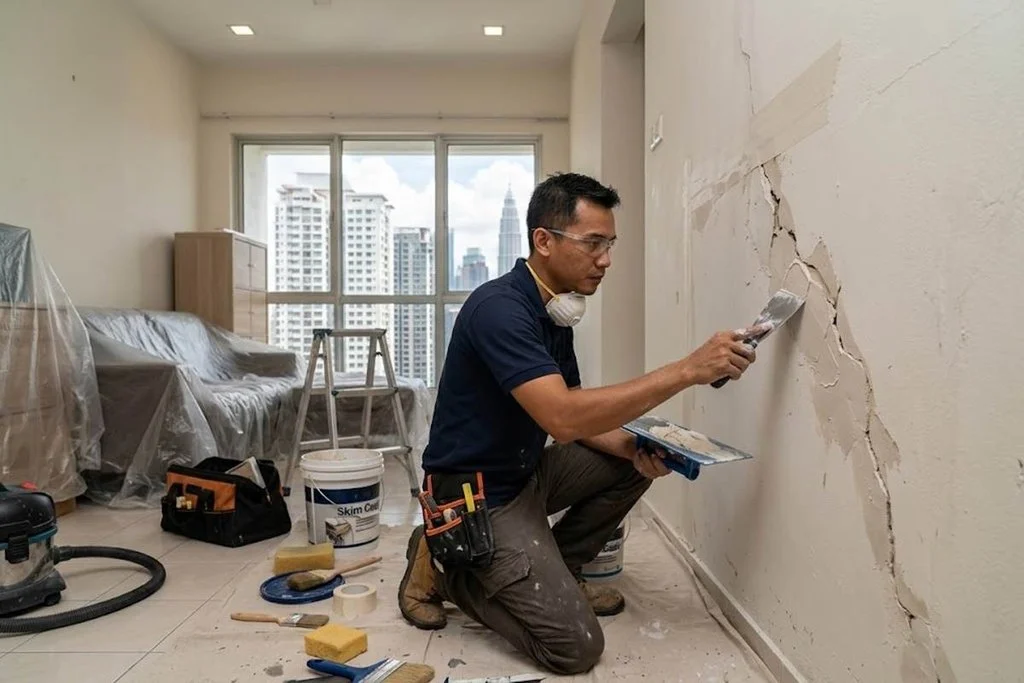
Walls are an essential part of every building, providing structure, privacy, protection, and a finished appearance. However, they can develop different types of damage over time because of moisture, impact, ageing, poor construction, temperature changes, or general wear and tear. Even minor wall problems can affect the appearance of a property and may become more difficult to manage if they are ignored.
A professional Wall repair contractor KL can identify the cause of wall damage and recommend a suitable repair method. From small cracks and holes to water-damaged surfaces and damaged plaster, experienced contractors can handle a wide range of wall problems. Understanding the types of damage they can repair can help property owners recognise problems early and arrange the right solution.
Cracks and Gaps
Wall cracks are among the most common problems found in residential and commercial properties. Some cracks are superficial and may develop in paint, plaster, or drywall because of normal building movement, changes in temperature, or ageing materials. Small cracks can often be repaired by cleaning the damaged area, filling it with an appropriate compound, smoothing the surface, and repainting it. A Wall repair contractor KL can examine the crack and determine the appropriate repair approach.
However, not every crack should be treated as a simple cosmetic issue. Wider cracks, recurring cracks, or cracks that extend through several areas of a wall may require closer inspection. Professional assessment can help determine whether the repair should focus only on the surface or whether additional work is necessary to address the underlying cause.
Holes and Impact Damage
Walls can become damaged when furniture, doors, fixtures, or other objects strike the surface. Drilling, moving heavy items, accidental impacts, and renovation work can also leave holes of different sizes. Small nail holes and minor dents are usually straightforward to repair, while larger openings may require replacement sections of plasterboard, drywall, or other wall materials.
A wall repair contractor can prepare the damaged area before applying suitable patching materials. Once the repair has dried, the surface can be sanded and finished so that the patched section blends more naturally with the surrounding wall. Professional finishing is particularly important when the wall has a smooth or decorative surface where poorly repaired holes may remain noticeable.
Water Damage
Water is one of the most common causes of serious wall deterioration. Leaking pipes, plumbing problems, roof leaks, overflowing fixtures, condensation, or water entering from outside can leave walls stained, swollen, damp, or weakened. If moisture remains inside the wall for a long period, it can contribute to peeling paint, unpleasant odours, and mould growth.
Signs of water-related wall damage may include:
- Brown or yellow stains on the surface
- Bubbling or peeling paint
- Swollen or soft wall sections
- Damp patches or musty smells
A contractor can repair visible damage after the source of moisture has been identified and addressed. Depending on the severity, the work may involve removing damaged material, allowing the area to dry, treating affected surfaces, replacing sections of wall, and applying new finishing materials.
Peeling Paint
Paint can peel, bubble, blister, or flake for several reasons. Excess moisture, poor surface preparation, unsuitable paint, heat, humidity, and the natural ageing of a coating can all contribute to deterioration. In buildings where heat exposure is a concern, property owners may also explore solutions such as Aluminium heat insulation KL to help manage heat transfer alongside appropriate wall maintenance.
Before repainting, a contractor can remove loose or damaged paint and prepare the surface properly. Any cracks, holes, or uneven areas can then be repaired before primer and new paint are applied. Proper preparation helps create a more even finish and can improve the durability of the new coating.
Damaged Plaster
Plaster can deteriorate because of age, moisture, impact, building movement, or poor installation. Damaged plaster may appear as cracks, loose sections, crumbling areas, bulges, or uneven surfaces. In older properties, plaster can gradually weaken and separate from its supporting surface, creating areas that need professional attention. A Wall repair contractor KL can assess the condition of the plaster and determine whether it requires patching, resurfacing, or replacement.
The repair approach depends on how extensively the plaster has deteriorated. Minor imperfections can often be filled and resurfaced, while loose or severely damaged sections may need to be removed and replaced. A contractor can prepare the repaired area so that it has a consistent texture and appearance with the surrounding wall.
Mould and Damp Marks
Damp conditions can leave dark patches, discolouration, and mould on walls. These problems are particularly common in areas with poor ventilation or persistent moisture. Simply painting over mould or damp marks may hide the problem temporarily without solving the conditions that caused it.
Professional repair generally begins with identifying the source of moisture and assessing the condition of the affected wall. Once the underlying issue has been addressed, damaged materials can be cleaned, treated, repaired, or replaced as necessary. Improving ventilation and controlling moisture can also help reduce the possibility of the problem returning.
Surface Dents
Everyday activities can leave walls with dents, scratches, scuffs, and other surface imperfections. Moving furniture, installing shelves, children playing indoors, or accidental contact can gradually affect the appearance of painted surfaces. While these marks may seem minor, numerous imperfections can make an otherwise well-maintained room look untidy. A Wall repair contractor KL can repair these surface defects and prepare the wall for a smoother finish.
Surface damage may include:
- Small dents and indentations
- Scratches and scuff marks
- Minor chips around corners
- Uneven areas caused by previous repairs
For small dents and scratches, a contractor may fill the damaged areas and smooth them before applying a matching finish. More extensive surface damage may require additional preparation or replacement of part of the wall covering.
Wallpaper Damage
Wallpaper can become torn, loose, stained, or bubbled because of moisture, age, poor adhesion, or accidental damage. In some situations, only a small section needs attention, while widespread deterioration may require larger-scale replacement.
A contractor can assess whether the existing wallpaper can be repaired or whether affected sections should be replaced. Careful preparation is important because uneven surfaces underneath new wallpaper can remain visible after installation. When a suitable matching material is available, targeted repairs can restore the appearance without replacing every section.
Why Consider Cisco Waterproofing?
Cisco Waterproofing provides professional waterproofing solutions designed to protect buildings from moisture-related problems and long-term water damage. Effective waterproofing plays an important role in maintaining strong walls, preventing dampness, and reducing the risk of issues such as mould growth, paint deterioration, and structural weakening. With suitable waterproofing methods, property owners can improve the durability and condition of their spaces.
Choosing Cisco Waterproofing allows clients to benefit from expert assessment, quality materials, and solutions tailored to different property requirements. Whether dealing with existing water-related damage or looking for preventive protection, professional waterproofing services can help maintain a safer and more comfortable environment while extending the lifespan of building surfaces.
Conclusion
Wall damage can range from small cosmetic imperfections to problems caused by moisture, weakened plaster, or repeated structural movement. Addressing these issues promptly can help prevent minor defects from becoming more extensive and expensive repairs. The right repair method depends on the material, severity, location, and underlying cause of the damage. Consulting a Wall repair contractor KL can help property owners understand the condition of their walls and identify an appropriate repair solution.
Whether the problem involves cracks, holes, water damage, peeling paint, plaster deterioration, or surface imperfections, timely professional attention can help maintain both the appearance and condition of your property. Regular inspection and prompt repairs can also contribute to a cleaner, safer, and better-maintained interior over time.
