
Introduction
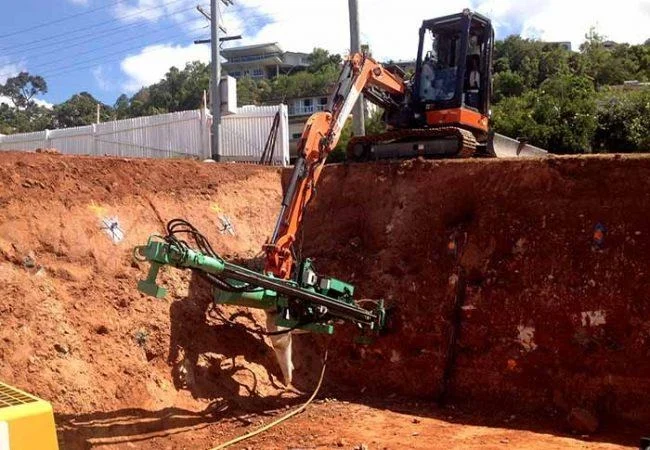
Construction projects built on steep hillsides, rocky landscapes, and unstable ground require reliable stabilization techniques to ensure long-term safety and durability. Proper ground reinforcement helps prevent landslides, soil movement, and structural damage while creating a secure foundation for roads, bridges, commercial buildings, and residential developments. Modern stabilization methods combine engineering expertise with advanced equipment to strengthen natural terrain and reduce environmental risks. Whether the project involves infrastructure, mining, or retaining walls, selecting the right reinforcement solution plays a vital role in achieving lasting performance and protecting valuable investments.
Why Ground Stabilization Is Important
Unstable ground can create serious safety hazards and increase construction costs if not addressed properly.
Some major benefits of professional stabilization include:
- Improved structural safety
- Reduced soil erosion
- Increased slope stability
- Protection against landslides
- Longer service life for structures
- Better drainage performance
Proper planning ensures that construction projects remain safe under changing weather and ground conditions.
Common Applications
Ground reinforcement techniques are used across many industries.
Typical projects include:
- Highway construction
- Railway infrastructure
- Bridge foundations
- Commercial developments
- Residential retaining walls
- Mining operations
- Dam construction
- Coastal protection projects
Each project requires a customized solution based on soil conditions and engineering requirements.
Site Evaluation
Before construction begins, engineers carefully inspect the site to understand existing ground conditions.
The evaluation usually includes:
- Soil testing
- Rock quality assessment
- Groundwater analysis
- Slope measurements
- Load calculations
- Environmental review
Accurate assessments help determine the most effective stabilization approach.
Reinforcement Methods
Several techniques are available depending on the terrain and project requirements.
Soil Nailing
Steel bars are inserted into slopes to strengthen loose soil and improve stability.
Retaining Walls
Concrete, stone, or reinforced walls provide additional support where elevation changes occur.
Drainage Systems
Proper drainage reduces water pressure within the soil, preventing movement and erosion.
Grouting
Specialized grout fills underground voids, increasing strength and reducing settlement.
Choosing the Right Solution
Every construction site presents unique challenges that require careful engineering. Experienced rock anchoring contractors evaluate geological conditions, structural loads, and environmental factors before recommending the most suitable reinforcement system. Their expertise helps ensure long-term stability while meeting project specifications and safety standards.
Equipment Used
Modern stabilization projects rely on specialized machinery for efficient installation.
Common equipment includes:
- Hydraulic drilling rigs
- Rock drills
- Grouting pumps
- Excavators
- Concrete mixers
- Survey instruments
Using advanced equipment improves precision and project efficiency.
Safety Considerations
Safety remains the highest priority during every phase of construction.
Important safety practices include:
- Regular equipment inspections
- Protective clothing for workers
- Continuous slope monitoring
- Secure work zones
- Compliance with engineering standards
Strong safety procedures reduce workplace risks and improve project outcomes.
Environmental Benefits
Modern stabilization methods also support environmental protection.
These techniques help:
- Prevent soil erosion
- Protect nearby vegetation
- Reduce sediment runoff
- Preserve natural landscapes
- Improve water management
Sustainable construction practices benefit both communities and ecosystems.
Maintenance Tips
Regular inspections help maintain reinforced structures for many years.
Maintenance should include:
- Checking for surface cracks
- Inspecting drainage systems
- Monitoring slope movement
- Repairing damaged areas promptly
- Removing debris from drainage channels
Preventive maintenance minimizes future repair costs and extends structural life.
Conclusion
Successful construction projects depend on stable ground and reliable engineering solutions. Careful planning, thorough site evaluations, advanced equipment, and routine maintenance all contribute to long-lasting structural performance. Investing in professional stabilization methods improves safety, protects valuable infrastructure, and reduces future maintenance expenses. With the right approach, challenging terrain can be transformed into a secure and dependable foundation for a wide range of construction projects.
FAQs
1. What causes slope instability?
Heavy rainfall, erosion, poor drainage, earthquakes, and weak soil conditions are common causes.
2. Why is site evaluation important?
It helps engineers understand ground conditions and choose the safest reinforcement method.
3. How long do stabilization systems last?
With proper installation and maintenance, many systems can remain effective for several decades.
4. Can stabilization methods reduce erosion?
Yes. Proper reinforcement and drainage significantly reduce soil erosion and slope movement.
5. Is regular maintenance necessary?
Yes. Routine inspections help identify potential issues early and ensure long-term structural safety.
