
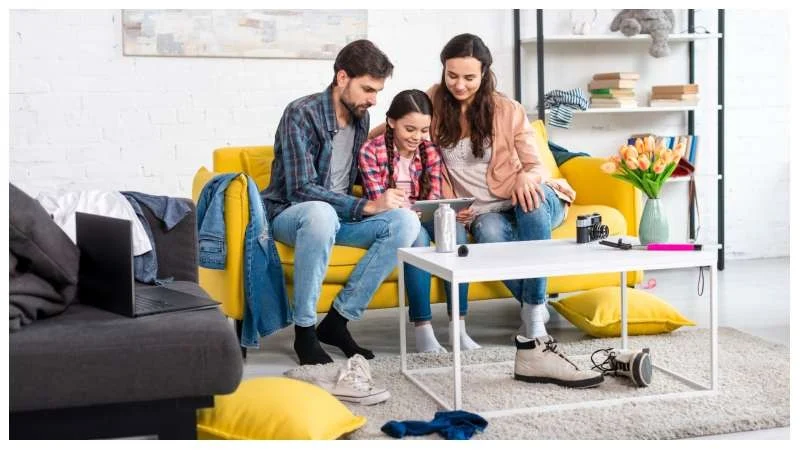
A well-organized home is more than just a clean space. It is a place where every family member feels comfortable, supported, and connected. Busy schedules, household chores, work commitments, and children’s activities can make it difficult to maintain order. Fortunately, small daily habits can create a significant difference over time.
Easy Lifestyle Changes for a More Organized Home and Happier Family Life are simple adjustments that improve daily routines, reduce stress, and strengthen family relationships. Instead of aiming for perfection, focus on creating practical systems that everyone can follow. This guide explores effective strategies to help your family enjoy a cleaner home, better communication, and a happier lifestyle.
Why an Organized Home Creates a Happier Family
An organized home promotes peace of mind. When everything has a designated place, family members spend less time searching for lost items and more time enjoying each other’s company.
A tidy environment also reduces stress and improves productivity. Children feel more comfortable completing homework, while parents can better manage work and household responsibilities.
Many parents also look for trusted parenting resources such as fpmomtips to discover practical ideas for building stronger routines, encouraging positive habits, and creating a supportive family environment.
Following Easy Lifestyle Changes for a More Organized Home and Happier Family Life helps create an atmosphere where everyone feels valued and respected.
Start with Small Daily Habits
Big changes begin with small habits. Rather than trying to organize your entire house in one day, focus on completing simple tasks consistently.
Helpful habits include:
- Making the bed every morning.
- Washing dishes immediately after meals.
- Returning belongings to their proper places.
- Spending ten minutes cleaning shared spaces each evening.
- Preparing clothes and school bags the night before.
These simple actions prevent clutter from building up and make household management much easier.
Declutter One Room at a Time
Decluttering is one of the fastest ways to improve home organization. Instead of feeling overwhelmed, work on one room or one storage area at a time.
Begin with:
- Kitchen drawers
- Bedroom closets
- Bathroom cabinets
- Children’s toy boxes
- Home office shelves
Donate, recycle, or discard items that no longer serve a purpose. Keeping only useful and meaningful belongings creates more living space while reducing cleaning time.
Create Functional Storage Solutions
Organization becomes easier when everything has a designated place.
Consider these practical storage ideas:
Use Clear Storage Containers
Transparent bins make it easy to locate seasonal decorations, craft supplies, and household essentials.
Label Shelves and Boxes
Labels encourage every family member to return items to the correct location.
Take Advantage of Vertical Space
Install wall shelves, hanging organizers, or storage hooks to maximize available space.
Store Seasonal Items Separately
Keeping seasonal clothing and decorations in separate storage prevents unnecessary clutter throughout the year.
Build Consistent Family Routines
A predictable routine helps every family member know what to expect each day.
Your daily schedule might include:
- Morning preparation
- School and work responsibilities
- Family meals
- Homework time
- Household chores
- Relaxation
- Bedtime routines
Consistent routines reduce confusion while encouraging responsibility and independence.
Implementing Easy Lifestyle Changes for a More Organized Home and Happier Family Life becomes much easier when everyone follows the same daily structure.
Share Household Responsibilities
Keeping a home organized should be a team effort.
Children can help by:
- Putting away toys
- Feeding pets
- Organizing school supplies
Teenagers can assist with:
- Vacuuming
- Laundry
- Dishwashing
- Meal preparation
Adults can coordinate schedules and ensure responsibilities are shared fairly.
Working together teaches responsibility while strengthening family relationships.
Design Comfortable Family-Friendly Spaces
Every room should have a clear purpose.
Create dedicated spaces for:
Homework and Learning
A quiet study area helps children stay focused while keeping school supplies organized.
Family Activities
A comfortable living room encourages conversations, games, and movie nights.
Entryway Organization
Install shoe racks, hooks, and baskets near the entrance to prevent clutter from spreading throughout the house.
Many homeowners also find inspiration from pushyourdesign when looking for creative ideas that combine functionality with stylish home organization.
Improve Communication Every Day
Strong communication keeps families connected.
Hold a weekly family meeting to discuss:
- Upcoming events
- School activities
- Household responsibilities
- Weekend plans
- Personal goals
Open conversations allow everyone to express concerns, celebrate achievements, and solve problems together.
Many relationship-focused resources, including nothing2hidenet, encourage honesty and trust as essential foundations for building stronger family connections.
Develop Healthy Lifestyle Habits
A healthy family is often a happier family.
Simple improvements include:
Plan Nutritious Meals
Preparing meals together encourages healthier eating while creating opportunities for conversation.
Stay Physically Active
Walking, cycling, gardening, or playing outdoor games keeps everyone healthy.
Prioritize Quality Sleep
Consistent sleep schedules improve mood, energy, and productivity for both children and adults.
Healthy routines support both physical and emotional well-being.
Reduce Screen Time and Increase Family Interaction
Technology offers many benefits, but excessive screen time can reduce family interaction.
Consider introducing:
- Device-free dinners
- Family board game nights
- Outdoor weekend activities
- Reading together
- Evening walks
Music can also strengthen family connections. Whether listening to favorite playlists during dinner or discovering new artists through thesoundstour, shared entertainment creates enjoyable moments that bring everyone closer together.
Manage Household Finances Effectively
Financial organization reduces unnecessary stress.
Helpful practices include:
- Creating monthly budgets
- Tracking expenses
- Planning grocery shopping
- Saving for emergencies
- Avoiding impulse purchases
Financial stability allows families to focus more on spending quality time together rather than worrying about unexpected expenses.
Teach Children Organizational Skills
Children benefit from learning responsibility early.
Encourage them to:
- Organize school supplies
- Fold clothes
- Make their beds
- Clean their bedrooms
- Pack backpacks independently
These simple habits build confidence while preparing children for adulthood.
Keep Cleaning Simple
Cleaning becomes easier when completed consistently.
Instead of spending an entire weekend cleaning, divide responsibilities throughout the week.
Example schedule:
- Monday: Vacuum floors
- Tuesday: Clean bathrooms
- Wednesday: Dust furniture
- Thursday: Laundry
- Friday: Deep clean the kitchen
- Saturday: Outdoor maintenance
- Sunday: Family organization day
This approach keeps every task manageable.
Make Family Time a Daily Priority
Organization creates more opportunities to enjoy meaningful experiences together.
Activities may include:
- Family dinners
- Cooking together
- Gardening
- Movie nights
- Board games
- Weekend picnics
- Community volunteering
These shared experiences strengthen trust, improve communication, and create lifelong memories.
Following Easy Lifestyle Changes for a More Organized Home and Happier Family Life allows families to spend less time managing clutter and more time building meaningful relationships.
Common Mistakes to Avoid
Many families unintentionally make organization more difficult by:
- Trying to organize everything at once.
- Buying storage before decluttering.
- Ignoring daily maintenance.
- Giving one person all the responsibilities.
- Expecting perfection immediately.
Avoiding these mistakes makes long-term organization much easier.
Frequently Asked Questions
How can I organize my home without spending a lot of money?
Start by decluttering, reusing existing storage containers, and creating simple daily routines. Organization depends more on habits than expensive products.
How often should families declutter?
A small decluttering session every month helps prevent unnecessary accumulation of belongings.
Can children really help keep the house organized?
Yes. Age-appropriate responsibilities teach responsibility while reducing parents’ workload.
Why are routines important?
Routines reduce stress, improve productivity, and help every family member understand daily expectations.
Conclusion
Building a peaceful and organized home does not require expensive renovations or complicated systems. Instead, consistent daily habits, shared responsibilities, healthy communication, and practical organization strategies create lasting results.
By embracing Easy Lifestyle Changes for a More Organized Home and Happier Family Life, families can reduce stress, improve household efficiency, and enjoy stronger relationships. Every small improvement contributes to a home where everyone feels valued, comfortable, and connected. Start with one simple habit today, remain consistent, and watch your family life become more organized, joyful, and fulfilling.
